
Introduction
If you’re visiting Agadir for the first time — or even returning and want a deeper local experience — a well-planned Agadir guided city tour itinerary is the fastest, most rewarding way to discover the city’s history, culture, shops, and scents all in one go.
On this journey you will explore: the historic fortress perched high above the city at Agadir Oufella (Kasbah), stroll through the bustling corridors of Souk El Had d’Agadir — one of the largest markets in Morocco — visit cozy argan-oil cooperatives and modern landmarks like the marina.
This guide goes beyond standard tour descriptions. It offers you real, up-to-date details (opening hours, market closures, best times for photos, bargaining tips, and what to buy) so you can enjoy a seamless, authentic, and efficient half-day or full-day city tour.
Stop 1: Agadir Oufella Kasbah — History, Views, and Agadir Kasbah Opening Hours
Dominating the skyline of Agadir, the historic Agadir Oufella (Kasbah) stands as a symbol of resilience — and offers some of the best panoramic views over the city, the port, and the Atlantic coastline.
Why Visit the Kasbah?
- Historical significance: Constructed in the 16th century by the Saadian dynasty to guard against Portuguese coastal strongholds, Oufella once housed towers, a mosque, a hospital, treasury buildings, and even a Mellah (Jewish quarter). Wikipédia+2GetYourGuide+2
- After the 1960 earthquake: Most of the fortress was destroyed during the catastrophic earthquake that reshaped modern Agadir. Wikipédia+1
- Symbolic name: “Agadir” means “fortress/ storage fort” in Amazigh; “Oufella” means “above.” The name literally means “fortress on high.” Wikipédia
Today, what remains are ruins — but enough to stir the imagination. From the Kasbah hilltop, you get sweeping views over the city, the marina, the Atlantic horizon and the beach — a perfect spot for dramatic sunrise or sunset photos.
Agadir Kasbah Opening Hours & Practical Info
- Most guided city tours allocate about 30 minutes for a Kasbah visit.
- Official opening hours may vary; many local guides recommend visiting either early morning or late afternoon — both for softer light and fewer tourists. (This is often not clearly stated in standard tour descriptions.)
- Tip for photos: Arrive at the Kasbah about 45–60 minutes before sunset. The golden light illuminates the ruins and casts warm hues over the city and sea — ideal for panoramic shots or romantic travel photos.
Understanding the Cable Car Option and Best Time to Visit
Some city tours include a ride on the city’s cable car (when available) — offering a more comfortable and scenic ascent to the Kasbah ruins. This can be a valuable alternative if you prefer not to walk or if time is tight.
- Best time for cable-car + Kasbah: Early morning for the clearest skies, or 1.5 hours before sunset to capture golden-hour hues.
- On busy days, the cable car can be crowded — so booking ahead or choosing a tour that includes it is smart.
The Shopping Maze — Expert Tips for What to Buy at Souk El Had d’Agadir
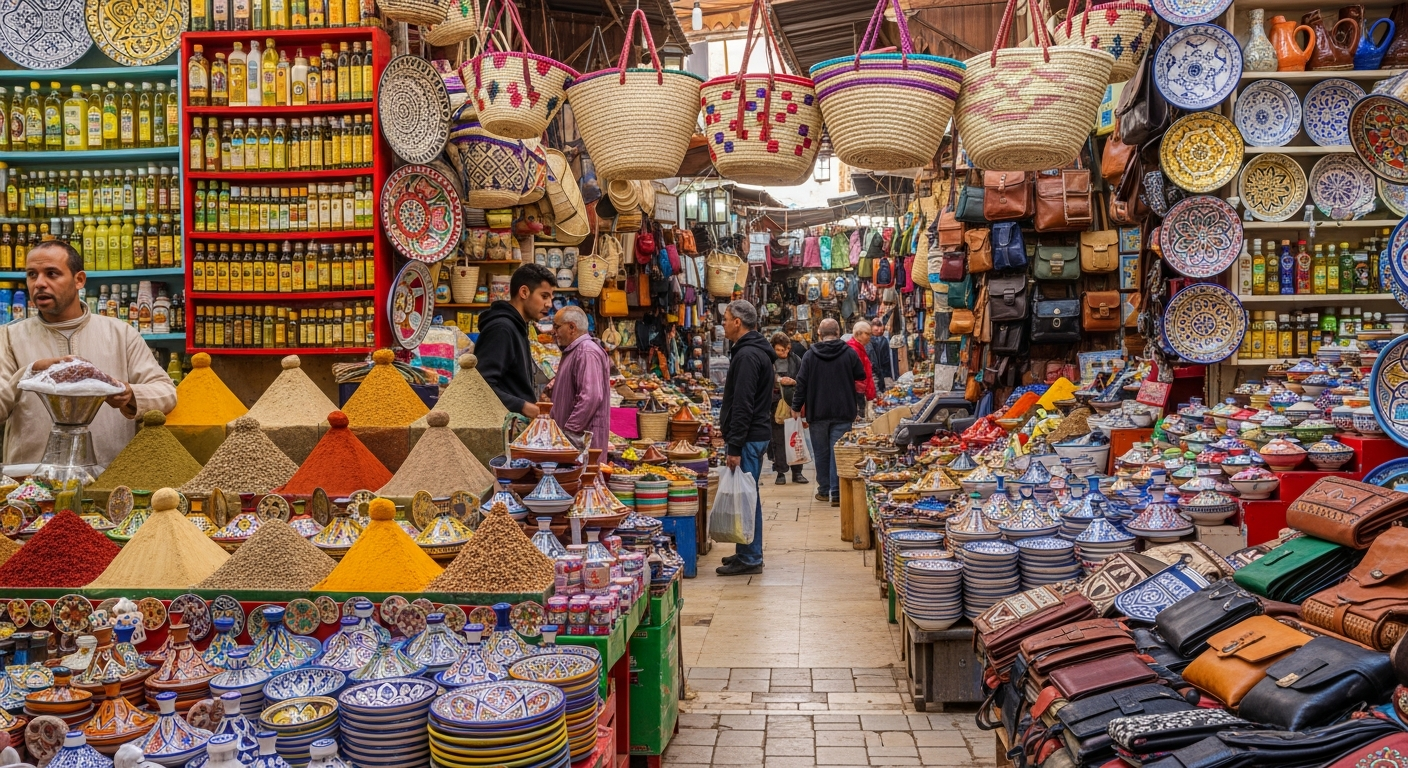
After taking in sweeping views from the Kasbah, your next destination is the heart of local life and commerce: Souk El Had d’Agadir. This sprawling market is essential for anyone wanting a real taste of Moroccan culture, commerce, and daily life.
Why Souk El Had is a Must-See
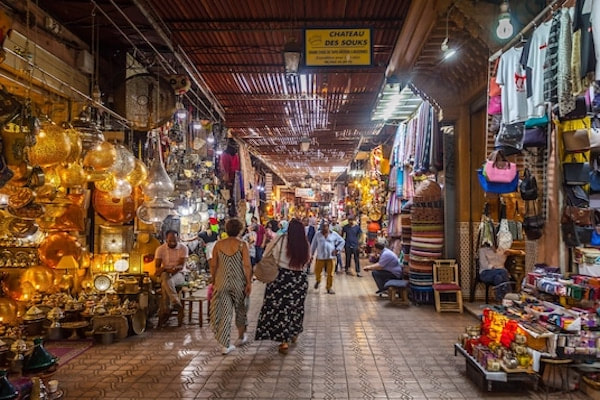
- Souk El Had spans over 13 hectares and contains several thousand stalls selling everything from produce and spices to leather, pottery, jewelry, carpets, clothes, and handmade crafts. Tripadvisor+2Visit Agadir+2
- It’s one of the largest traditional markets in the region — and a vibrant sensory explosion: colors, smells, sounds, and nonstop bargaining. hotels+2airial.travel+2
What to Buy: Authentic Moroccan & Berber Items
Here are some of the best souvenirs and items to look for:
- Argan oil and cosmetic products — pure, local, often sold in cooperatives (more on that below)
- Leather goods — bags, wallets, belts, slippers (babouches), jackets
- Textiles & rugs — handmade Berber rugs, scarves, blankets, djellabas
- Ceramics and pottery — tagines, plates, bowls, decorative pottery
- Spices and local foods — saffron, cinnamon, nuts, dates, dried fruits
- Jewelry and silverware — silver rings, bracelets, traditional Amazigh items
- Home décor & crafts — baskets, woven trays, lamps, woven baskets, traditional wooden crafts
How to Bargain Like a Local
Shopping in a souk is part treasure hunt, part negotiation. Here’s how to get a fair deal — and keep it friendly:
- Bring cash, preferably small denominations — cards are rarely accepted at small stalls.
- Start low — vendors expect you to haggle. A good strategy is to offer about 40–50% of the initial asking price to leave room for negotiation.
- Stay polite and friendly — politeness goes a long way in Moroccan markets. Use “Salam” (hello) and “Shukran” (thank you).
- Don’t hesitate to walk away — if price or quality doesn’t match, just move on. There are dozens of shops, and many will call you back with a better offer.
- Carry a small calculator / use your phone to avoid confusion over currency conversions or Moroccan dirham pricing.
Why is Souk El Had Closed on Mondays?
One of the most overlooked but crucial facts: Souk El Had is closed on Mondays — it’s the weekly cleaning and reset day.
Implication for you:
- Avoid planning a city tour that includes the souk on a Monday — you’ll miss it entirely.
- Best days for a visit: Tuesday, Wednesday, or Thursday — fewer crowds and better chances for good bargains.
- Best time of day: morning (right after opening) or late afternoon — avoid mid-day heat and crowds.
Culture & Commerce — Marina, Mosque, and the Argan Oil Cooperative Visit
A comprehensive Agadir city tour doesn’t stop at history and shopping. It also offers a glimpse into everyday modern life, coastal vibes, and local craftsmanship.
Marina & Coastal Drive
A quick drive along the coastal promenade and the marina lets you appreciate Agadir’s modern, beach-side character — yachts, ocean views, palm-lined promenades — a striking contrast to the old Kasbah and chaotic souk. Many tours include the marina drive for easy photo stops and a seaside feel.
Mosque Stop
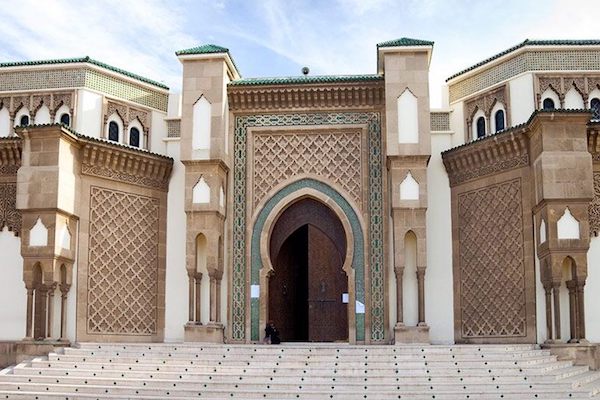
Most city tours will pause briefly by the Mohammed V Mosque (or other notable mosque depending on the tour). While non-Muslims aren’t allowed inside the main prayer hall, the impressive architecture and exterior make it a worthy stop for photos and cultural context.
Visit to an Argan Oil Cooperative
A highlight often overlooked by casual guides: a stop at a local argan oil cooperative. Here you’ll see — and sometimes participate in — the traditional process of making argan oil (by hand or pressing), learn about different grades, and buy authentic, high-quality products. This is markedly different from tourist-trap shops.
What You Should Know:
- Choose cooperatives over random souvenir shops — you’ll get pure oil and real locals working, not mass-produced “tourist argan.”
- Expect small bottles of 100% argan oil (cosmetic or edible), argan-based soaps, creams, and other natural products.
- These stops often include a short demonstration. Great for photos and a more meaningful souvenir — or gift.
Decoding the Agadir Half-Day Tour Price
When you see a listing for an “Agadir half-day tour,” what does that typically include — and what extra costs might you face?
Typical inclusions:
- Hotel/port pickup and drop-off in an air-conditioned vehicle
- Transport to main stops (Kasbah, Souk, Marina, Mosque)
- A licensed guide who provides historical and cultural context
- Basic entrance or visit to Kasbah (ruins), sometimes including admission or cable-car ride if offered
What’s often not included:
- Purchases at Souk El Had — you pay for whatever you buy (argan oil, crafts, etc.)
- Meals, snacks, drinks (unless the tour explicitly includes a café or lunch)
- Tips for guide / driver (customary but optional)
- Cable-car fee (if not included) or evening supplements (if you want sunset photos at Kasbah)
Price range (2025 typical):
Most half-day tours are in the range of €10–€25 per adult (for group tours), depending on group size and services included. Viator+2Tripadvisor+2
For small private groups or added extras (cable car, extended time, private guide), expect higher pricing.
Conclusion
An Agadir guided city tour itinerary gives you the ideal balance of history, culture, shopping, and convenience — all within a half-day or full-day experience. From the heights of Agadir Oufella (Kasbah) to the bustling alleys of Souk El Had, from modern marina sights to authentic argan-oil cooperatives — this tour reveals why Agadir is much more than just a beach resort.
With the details above — market closures, best times to visit, what to buy, cultural tips, and bargaining strategies — you’re set to enjoy the city like a well-informed traveler, not a tourist stumbling through.